
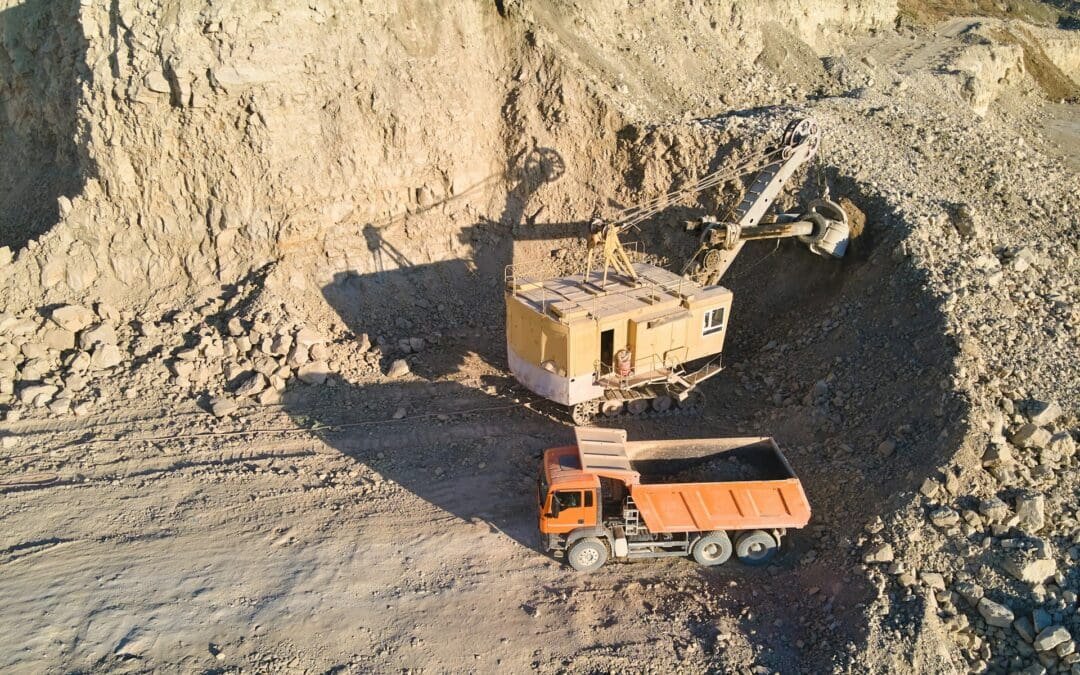
When winter hits, sand mining operations face more than just colder temperatures. The season brings a mix of weather-related problems that can slow down progress, impact safety, and affect how efficiently a site runs. From frozen ground to reduced daylight, staying productive in these conditions takes planning and smart decision-making.
Winter doesn’t mean operations have to come to a standstill. It just means the approach to sand mine development needs to shift to handle what’s coming. Preparing ahead helps avoid delays, manage worker safety, and keep production moving. By focusing on planning, equipment readiness, and winter-smart techniques, teams can work through the cold weather without losing ground.
Preparing For Winter Operations
Kicking off winter unprepared can lead to unnecessary problems that could have been handled early on. When it comes to sand mining sites, getting ready for the season before temperatures drop goes a long way. Even something as simple as frozen hoses or equipment breakdowns can create delays or cause safety hazards if not caught ahead of time.
Here are a few ways to get set before the cold settles in:
1. Inspect and weatherproof all equipment, including loaders, conveyors, and trucks. Check fluids, batteries, seals, and heating systems.
2. Stockpile important materials like sand, fuel, and de-icing supplies to avoid delivery interruptions.
3. Make sure protective gear like thermal gloves, face coverings, and insulation suits are available and in good condition.
4. Set up mobile warming stations near work zones to give teams a safe place to warm up when needed.
5. Run winter safety trainings to cover everything from cold stress signs to handling icy surfaces.
For example, a mining site that didn’t update its equipment ahead of time had to pause operations for an entire day due to frozen hydraulics on a key machine. If that machine had been properly winterized, they could have avoided both the downtime and cost. Small actions taken early can help avoid big disruptions during the months when conditions are already harder.
Adapting Mining Techniques For Winter
Once winter rolls in, sand mining teams need to change how they work with the ground. Cold-weather techniques focus on getting the job done even when soil freezes, visibility drops, and working hours shorten. It’s not about doing less. It’s about doing tasks differently.
Cold ground gets tougher, making standard excavation slower and less efficient. Switching to tools that can cut through frozen layers — like hydraulic hammers or frost picks — helps keep production going and prevents damage to general-use equipment that wasn’t made for these conditions.
Other helpful strategies include:
1. Using heated spray systems during processing to keep material from freezing to surfaces.
2. Adjusting work schedules to make the most of available daylight.
3. Pairing tasks so one crew can prep while another extracts, cutting down on wait times.
Shorter days are a hurdle, but with portable lighting towers, teams can keep the site bright and safer during early mornings or late afternoons. Cold weather doesn’t mean things have to slow down. It just means working smarter with the right tools and routines.
Managing Transportation and Logistics
Winter brings a new set of challenges to the logistics side of sand mining. Snow, ice, and freezing temps can shut down roads and rail routes, putting the brakes on material moves. Spotting these hurdles ahead of time can help you put backup plans into action before they’re needed.
Some ways to manage transportation during snowfall and icy conditions include:
1. Doing routine checks on trucks, railcars, and their parts to prevent cold-weather breakdowns.
2. Adding snow tires or chains to trucks for better control on slick roads.
3. Mapping out alternate routes in the event of heavy weather or blocked roads.
4. Coordinating frequently with rail and trucking partners to adjust for shifting conditions.
One sand mining operation ran into major delays because a primary rail line was closed off by a winter storm. They later put in place alternate transport agreements and saw fewer disruptions the next time around. Planning a few steps ahead makes it easier to keep material on the move, even when winter throws curves into your usual routes.
Ensuring Safety and Compliance
Winter adds more risks to every part of a mine site, which means safety has to be front and center for achieving steady sand mine development. Exposure to cold, unexpected slips, and low visibility all become hazards if they aren’t accounted for ahead of time.
Here’s how to keep safety and compliance strong through winter:
1. Hold safety drills with focus on cold-weather issues, like frostbite or ice-related injuries.
2. Check and update all safety protocols to match current seasonal needs.
3. Perform regular checks of machines and systems to catch ice buildup or worn-out parts.
Maintaining company-wide training keeps everyone on the same page and better prepared. The idea is not just to meet regulatory guidelines but to truly lower the chance of winter-related issues before they even start. A well-prepared team performs better and works more confidently in colder, riskier conditions.
Keeping Operations Efficient
Running a sand mine efficiently during winter requires more than just surviving the season. Teams need to look at how to trim down downtime, stretch fuel and power usage, and react quickly to sudden weather swings.
Smart steps to help boost productivity in the cold include:
1. Rotating shifts to limit worker fatigue while keeping continuous operations.
2. Running generators and heating systems on timers or using alternative power where feasible to reduce overuse.
3. Setting up real-time tracking for equipment performance and downtime to respond faster when issues pop up.
It’s also helpful to have teams document issues daily so site leaders can detect patterns or flag repeat problems. That insight helps create a smoother setup for future winters and makes it easier to correct problems as they’re happening instead of after the fact.
Staying Ahead This Winter
The best chance for success comes from planning before the snow starts falling. Operational wins during freeze-heavy months stem from choices made well before the cold air arrives. Preparing now helps sites reduce stress later and keep their sand mine development on pace.
To stay on top of the cold season:
1. Start planning as early as fall to line up winter gear, people, and supply routes.
2. Maintain a seasonal review to find out what worked or didn’t last year.
3. Adopt technologies like heated lines or winter-ready sensors built for the challenges ahead.
A little prep today makes winter days feel a lot more manageable when they hit. Sites that adjust earlier are better equipped to keep moving, stay safe, and protect both people and materials. Take the time to think through your strategy now, and it’ll pay off through every snowstorm and frozen morning coming your way.
Planning ahead is the smartest way to keep your sand mining operations moving through the colder months. For insight into how you can tackle frozen job sites, maintain safety, and streamline sand mine development even as temperatures drop, Explore Group is here to help you stay ready and reliable all winter long.