
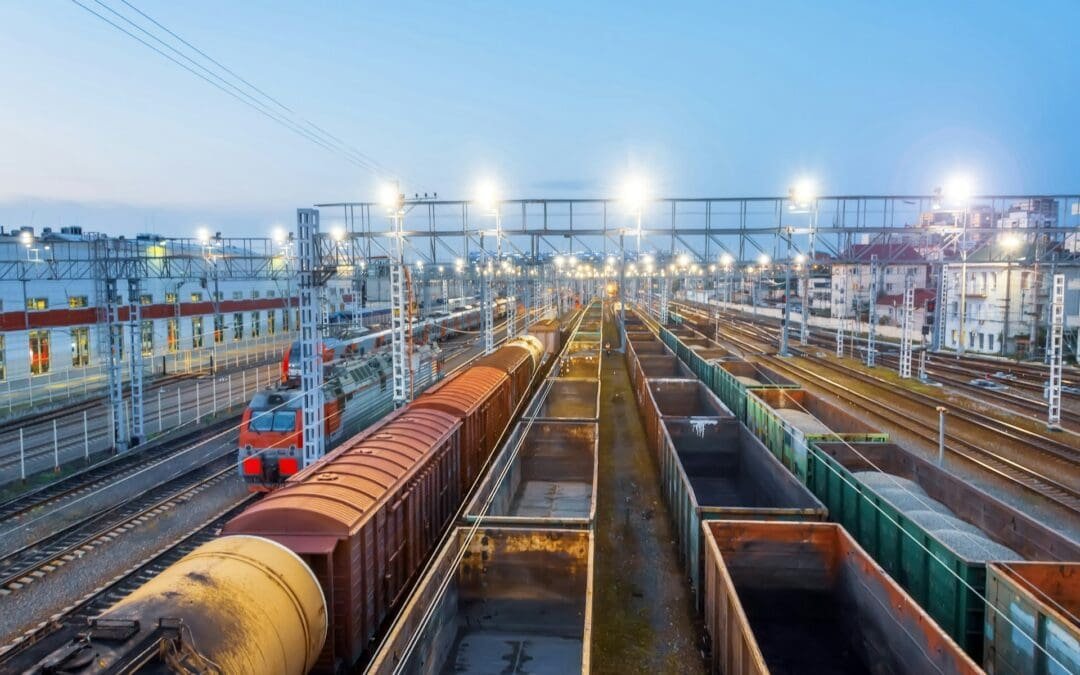
Rail shipping plays a key role in moving goods across long distances, but when winter rolls in, things can get a lot more complicated. Cold weather can slow down, interrupt, or even shut down rail operations altogether. Ice, snow, and freezing temperatures put added pressure on crews and equipment. Delays are more likely, and goods are at greater risk of damage. That’s why being prepared for winter isn’t just helpful, it’s necessary.
Planning for winter safety is all about being proactive. Whether you’re managing freight or handling the logistics of rail transport, knowing what to expect and how to respond can cut down on risks. It’s about creating smoother operations through good habits and detailed preparation. That way, even when the temperature drops and the snow piles up, business keeps moving.
Understanding Winter Hazards in Rail Shipping
Every season has its own challenges, but winter throws some of the toughest ones at rail operations. Whether it’s fresh snowfall or days that never quite thaw, these weather elements can push rail systems to their limits.
Here are a few of the most common risks winter brings to rail shipping:
– Snow buildup: Accumulated snow can block tracks, switches, and signals, delaying operations or forcing a halt altogether.
– Ice on tracks and equipment: Ice can reduce train traction and make braking harder, increasing the chance of skidding or damage.
– Frozen switches: Rail switches are critical for guiding trains between tracks. When they freeze, train routing becomes difficult or impossible.
– Limited visibility: Snowstorms and foggy conditions make it hard for engineers and ground crews to see clearly. This raises the likelihood of miscommunications and mishaps.
– Cold-related equipment failure: Mechanical systems don’t always perform well in cold. Engines can be harder to start, batteries might not hold charge, and hydraulic systems can become sluggish.
Each of these hazards increases the risk of delays or accidents, which no logistics operator wants to deal with, especially when there’s a tight delivery window. One example is when a freight train carrying perishable goods was stalled by frozen switches for hours during a storm. The delay forced teams to offload cargo under poor conditions, exposing the goods to freezing temperatures and leading to spoilage.
Looking ahead to the colder months, understanding these winter hazards paves the way for better planning and fewer surprises.
Essential Winter Safety Preparations for Rail Operations
When it comes to staying on track during winter, preparation is the name of the game. Without a plan in place, minor weather issues can quickly snowball into large delays or damage. The goal isn’t to react but to be ready, keeping the rail lines moving safely and with as few interruptions as possible.
To make winter rail operations safer, here are a few steps to focus on:
– Schedule routine maintenance checks: Cold weather exposes any weak points in equipment. Regular inspections help spot wear and tear before it becomes a serious problem.
– Use cold-weather rail gear: Specialized components like switch heaters or antifreeze-treated parts can reduce freeze-ups. These upgrades may seem small but make a big difference.
– Train staff for winter protocols: Everyone from engineers to ground crews should know exactly what to do when the temperature drops. From handling frozen switches to responding to a stalled train, clear steps help avoid confusion.
Rail teams should also have a process for quickly clearing snow and ice from key areas. Often, simply keeping switches, crossings, and platforms free of buildup can keep a route running on time. Make sure tools like snow blowers, heaters, and shovels are stocked and easy to access.
Thinking ahead doesn’t guarantee there won’t be problems, but it definitely cuts down the chances or reduces the impact when something does go wrong.
Advanced Technologies to Enhance Winter Rail Safety
Staying ahead in winter rail operations means using smart technology. These tools don’t just support daily operations, they boost safety when conditions get tough. With the right systems in place, keeping railways safe becomes more manageable, even in freezing weather.
1. Advanced Weather Monitoring Systems
These provide real-time updates that help forecast storms, heavy snow, or freezing temperatures. With early warnings, rail lines can adjust schedules or routes to reduce disruptions.
2. Rail Heating Systems
Rail heaters help stop ice from forming on the tracks. Clear tracks mean better traction, smoother braking, and fewer costly delays.
3. Automated Track Inspection Systems
Technology is faster at detecting issues than manual inspection. These systems find potential problems before they lead to service breakdowns, keeping trains safe and on schedule.
Adding these innovations shows a commitment to safe, responsive shipping even in winter. They help move from reacting to weather issues to preventing them in the first place.
Protocols for Emergency Response During Winter Operations
Sometimes, no matter the preparation, weather still wins. That’s when a strong emergency response can make all the difference. Quick action, reliable tools, and a clear plan can keep things from going south fast.
Key areas to cover in your winter emergency protocol:
– Comprehensive Emergency Response Plan
Lay out how to handle incidents like stalled trains, blocked tracks, or power failures. Every team member should know who to call, what to do, and where to go.
– Emergency Gear Ready to Use
Make sure crews are stocked with thermal clothing, lights, radios, backup batteries, and first aid kits. Time matters in an emergency, and this gear keeps staff safe and ready to act.
– Clear Communication Lines
Without solid communication, even the best plan falls apart. Radios, sat phones, and backup power for control centers all make sure teams stay connected when weather causes problems.
Being consistent with these protocols makes winter hiccups a smaller issue instead of a business-halting disaster.
Keeping Rail Shipments Running All Winter Long
Reliable rail service in winter doesn’t happen by chance. It’s the result of good planning, the right equipment, and a work culture that puts safety up front.
When businesses focus on winter readiness, they see fewer delays and better performance. Staff feel more confident, customers get their deliveries on time, and risks are kept low. It’s a win all around.
By making safety a regular part of operations and adding in smart tech, rail shipping stays dependable even when the forecast gets rough. These safety-first steps help protect both your cargo and your reputation. And in logistics, both are worth the work.
For businesses looking to keep freight running smoothly during the colder months, a proactive strategy can make all the difference. Explore Group supports your operations with dependable logistics solutions designed to handle seasonal challenges. To learn how your business can stay on track with safe and efficient rail shipping, explore our specialized services built for winter conditions.