
Winter doesn’t just change the weather. It changes how ships move, how goods get delivered, and how safe everyone stays at sea. Cold air, icy water, and snow-packed ports can throw off even the most experienced ship operators. When the temperature drops, the risks climb fast. Chartering a ship when winter storms are sweeping across trade routes is a whole different story than in calmer seasons.
Ship chartering during this time of year means dealing with tight windows, unpredictable conditions, and more pressure to make safe, smart calls. Delays stack up quickly when you’re waiting on weather, and icy decks or blackouts can bring operations to a halt. Whether it’s goods headed to a frozen harbor or vessels rerouted to avoid storms, winter changes everything. People who depend on consistent, smooth shipping need to understand what these challenges look like so they can plan ahead and avoid bigger problems on the water.
Impact Of Winter Weather On Ship Operations
Ice, wind, and snow aren’t just cold—they’re hazardous for ships out at sea. Freezing spray can coat decks and rigging in thick layers of ice, making basic tasks more dangerous and slowing down everyday movement on the vessel. When snow piles up and waves start to hit harder, crew fatigue sets in quicker and the risk for accidents rises.
Here’s a breakdown of what can go wrong during winter-heavy conditions:
1. Restricted movement: Icy decks and frozen components can lead to equipment failure and make walking hazardous for the crew.
2. Reduced visibility: Snowfall and dark cloud cover shorten how far crews can see, which creates bigger chances for missed signals or hazards in the water.
3. Port closings: Some ports may shut down temporarily for snow clearing or ice breaking, forcing ships to wait or change destinations altogether.
4. Navigation delays: High winds, fast-moving storms, or sea ice can force ships to reroute, delaying deliveries and costing time.
5. Increased wear and tear: Cold weather puts stress on ship engines and hydraulic systems, making breakdowns more likely.
One major issue to watch for is ice forming around a vessel’s hull, especially for ships operating in the upper Northern Hemisphere. This buildup not only adds weight but can damage the hull if conditions push large chunks of sea ice against it. Moving through ice-heavy waters means using extra engine power to avoid getting stuck or risking cracks in the hull itself. To make matters tougher, shorter daylight hours make inspections harder, which slows progress and limits repair opportunities.
Shipping companies need to factor in all these delays and safety concerns when drafting timelines and contracts for seasonal charters. If they don’t, one winter weather event can throw the entire schedule off course.
Preparing Ships For Winter Conditions
Getting a vessel ready for winter takes more than just a checklist. It requires hands-on work, smart planning, and consistent monitoring during the cold months. Tiny oversights can turn into huge problems when snow or ice takes over at sea.
Here are some effective ways ships can prepare for winter weather:
1. Inspect and winterize all main systems. Hoses, vents, fittings, and electrical lines need to be checked for wear, cracks, or leaks.
2. Use ice-resistant coatings on exposed surfaces. These coatings help reduce snow and ice buildup, so clearing the decks becomes easier.
3. Keep backup de-icing gear on board. This includes chemical de-icers and heated lines that keep fuel and water systems from freezing.
4. Do maintenance before the cold sets in. Pre-winter checkups can catch small issues that could become major failures during a storm.
5. Upgrade weather tracking systems. Real-time radar, marine forecasting tools, and alert software help ships stay ahead of dangerous systems.
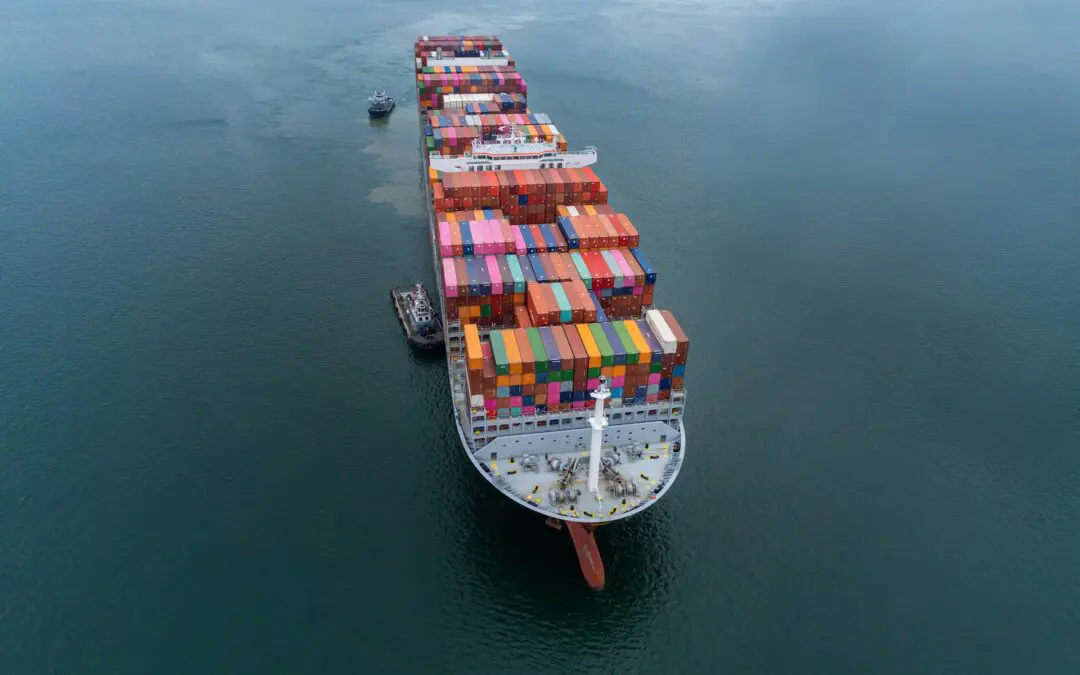
Take one container ship that got stuck outside a northern port in January. A snap freeze iced over the harbor faster than expected. Without an icebreaker nearby, the ship sat still for four days. Ice buildup around the hull triggered safety alarms across multiple points. Thankfully, the crew remained safe, but spoiled cargo and delayed deliveries turned the whole trip into a costly lesson. If weather tracking had flagged the freeze earlier or if the hull had been better prepped, rerouting could have saved time and money.
Getting ready for winter isn’t just about equipment. It’s about thinking ahead, knowing your risks, and acting early instead of reacting too late. Missing that window often means racing to fix problems rather than preventing them.
Operational Strategies During Winter
Sailing through winter conditions takes more than luck. Having a strong strategy helps avoid time-wasting detours and risky decisions. Route planning becomes your biggest asset. Thinking about multiple path options and checking real-time weather updates helps steer ships safely around storm zones.
Staying connected becomes just as important. Constant updates between the ship, other vessels on similar routes, and port authorities make a big difference. That real-time communication helps avoid traffic jams, surprise reroutes, and equipment delays. It turns every ship and port into part of a wider team working toward shared safety.
An alert, ready crew is the last leg of a strong winter strategy. Ongoing training should include cold-weather safety drills, emergency freeze protocols, and how to handle sudden reroutes. If the crew is sharp, the ship is in better hands no matter how bad conditions get.
Choosing The Right Ship Chartering Services For Winter
Working with the right ship chartering company during winter takes some pressure off your shoulders. Companies that already know how to deal with freezing temperatures and sudden storms are better equipped to keep your cargo moving.
Experienced partners offer benefits like:
– Flexible charter agreements so you can change routes or timing when the weather throws you a surprise.
– Reliable support regardless of delays or disruptions caused by winter conditions.
– Winter-specific services like ice navigation guidance or cold-weather response crews on standby.
In a season where adaptability can swing the outcome of an entire shipment, having the right people in your corner matters more than ever. No two winters are exactly the same. That’s why dependable, forward-thinking partners give you an edge.
Staying Ahead When Winter Hits Hard
Winter doesn’t care if you’re ready or not. But being prepared makes all the difference for ship operations. Start with strong planning. Track storms before they show up on radar. Schedule checkups early. Line up a dependable charter partner who knows what to do when systems start freezing.
Then, stay connected. Make ports part of the plan instead of just a stop along the way. Share outages, thresholds, and reroute conditions before they escalate. Use updated weather tools and modern tracking software to keep your focus on safety and steady progress.
Lastly, keep every person on board up to speed with regular cold-weather training. A ship is only as strong as its crew, and knowing how to respond to winter quirks can be life-saving at times.
When winter’s at its worst, the best operations don’t just wait it out. They move forward with care, backed by thoughtful planning and trusted support. That’s how safe, consistent shipping stays on course all season long.
Choosing the right partner for ship chartering during winter can make all the difference. Trust Explore Group to keep your operations seamless and secure, even when the temperatures drop. Our expertise ensures that each voyage is planned with precision, offering resilience in the face of winter’s toughest challenges. Count on us for dependable and adaptable solutions in any season.