
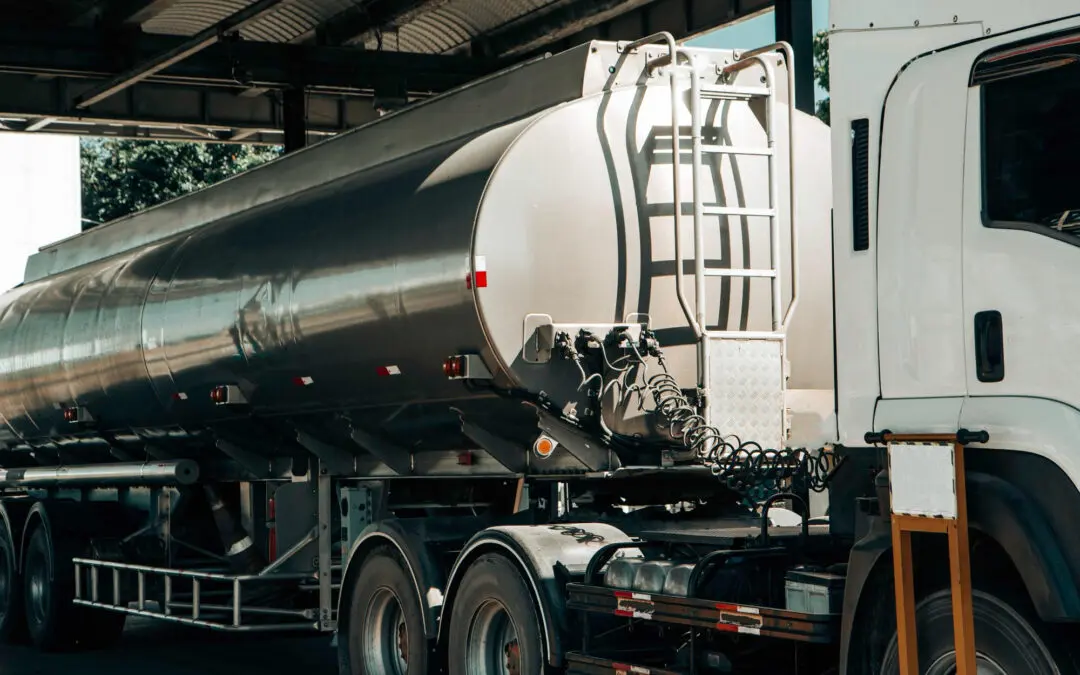
Winter brings all kinds of trouble for anyone working in the energy field, especially when it means driving long distances in freezing weather. Roads don’t just get harder to steer on. They shut down. Equipment slows down. Everything just takes longer. For us, the job is about more than reaching a destination. During the coldest months, an oil transportation company works against snow, ice, and dropping temperatures to keep materials moving.
This kind of work doesn’t stop when winter hits. If anything, it gets more intense. Crews work long hours through short days, managing cold gear and slippery highways while doing everything they can to keep deliveries running on time. It’s not always smooth, but there’s a reason we prepare early and stay ready for whatever cold weather throws at us.
How Winter Impacts the Job
Winter touches everything on the road. Some days, it feels like even simple tasks take twice as long. Bad weather isn’t just uncomfortable, it changes how we work.
• Roads become icy or snow-packed, which slows everyone down
• Accidents or storms can block streets and highways, sometimes for hours
• Local authorities might shut down dangerous routes with little warning
• Cold temps can freeze valves, lines, and storage equipment
• Tanks may take longer to load or unload when it’s below freezing
• Fewer daylight hours leave less room to adjust if delays stack up
Driving in these conditions requires more caution and can completely shift how we handle an otherwise normal delivery.
Planning the Route Before the Storm Hits
A big part of staying on schedule in winter is knowing what’s coming before we head out. We check the forecast for every route and look out for red flags like active snowstorms, high winds, or dropping temps that can cause black ice.
• We review weather and road closures before every trip
• We build extra time into the schedule to leave room for slowdowns
• If a certain route has a chance of closing, we plan an alternate path ahead of time
It’s all about being flexible without losing track of timing. We expect changes in winter. The way we keep moving through them is by having a solid plan that leaves space to shift when needed.
Equipment Checks and Cold-Weather Prep
When temperatures drop fast, we have to look at every piece of equipment with winter in mind. Machines and parts don’t perform the same way as they do in the warmer months.
• We use winter-grade fuel and check that the right fluids are in place
• Additives help prevent fuel from gelling, which is a big risk in freezing temps
• We inspect tire tread and make sure chains or traction devices are ready
• De-icing tools get tested early, not once we’re already on the road
• Hoses, pumps, and tanks all get checked to be sure they can work in freezing air
Explore Group uses a combination of truck, rail, barge, and pipeline transportation to make sure materials reach their destination safely in winter. It’s not just about making sure things turn on. It’s about knowing what might freeze, slow down, or put the delivery at risk when we’re dealing with snow or bitter cold.
Staying Safe While Staying on Schedule
Safety always matters, no matter the season. But in winter, we take even more steps to make sure our crews are protected without letting the schedule unwind.
• Drivers get updates through the day when weather changes fast
• If it starts snowing hard or visibility drops, we wait it out or change the route
• Crews are encouraged to take breaks and warm up at stops where possible
• We avoid rushing, even if something is running behind
Getting a delivery done on time does matter, but not more than someone’s well-being. Cold weather pushes everything, and it’s easy to get tired or make mistakes when conditions are rough. Our job is to support the people behind the wheel as much as the shipment itself.
Why Experience Matters in Harsh Conditions
Winter doesn’t give you much room to learn as you go. It’s a season where lessons are better learned in advance. That’s why experience matters so much on these routes.
• We’ve seen how fast a thaw can refreeze and turn to ice
• We know which areas get shut down more often or hold hidden risks
• We have routines in place and don’t skip the small stuff just to save five minutes
Explore Group’s crews and logistics team coordinate closely to make sure the right choices are made for every delivery, and our regional experts keep clients updated on changing weather or road conditions. Our drivers know what warning signs to watch for. Dispatch keeps an eye on regional risks. Everyone communicates, keeps things clear, and expects changes. This kind of preparation doesn’t happen in the middle of a problem, it’s built into how we train, prep, and work together all season long.
Getting Fuel Where It Needs to Go, No Matter the Weather
Even when winter locks up roads or drops temperatures to single digits, people still need heat and power. And that means our work doesn’t stop. Moving crude oil doesn’t get a pass just because it’s snowing or windy. It takes real planning and people paying attention at every step to get it done safely.
Winter deliveries aren’t quick or easy, but they’re doable with the right mix of timing, communication, and awareness. When we’ve prepped well and supported the crew out there, even the toughest roads won’t stop us from getting fuel where it needs to be. That’s what keeps homes running heat, headlights coming on, and industries working through the cold.
At Explore Group, we understand the challenges that come with winter transportation and the importance of thorough planning and preparation. Our crews are dedicated to making sure every detail is covered, from checking equipment to choosing safer routes when snow or ice makes conditions tough. With years of experience moving through the risks of cold-weather logistics, we’re proud to be an oil transportation company you can trust, so reach out today to get started.