
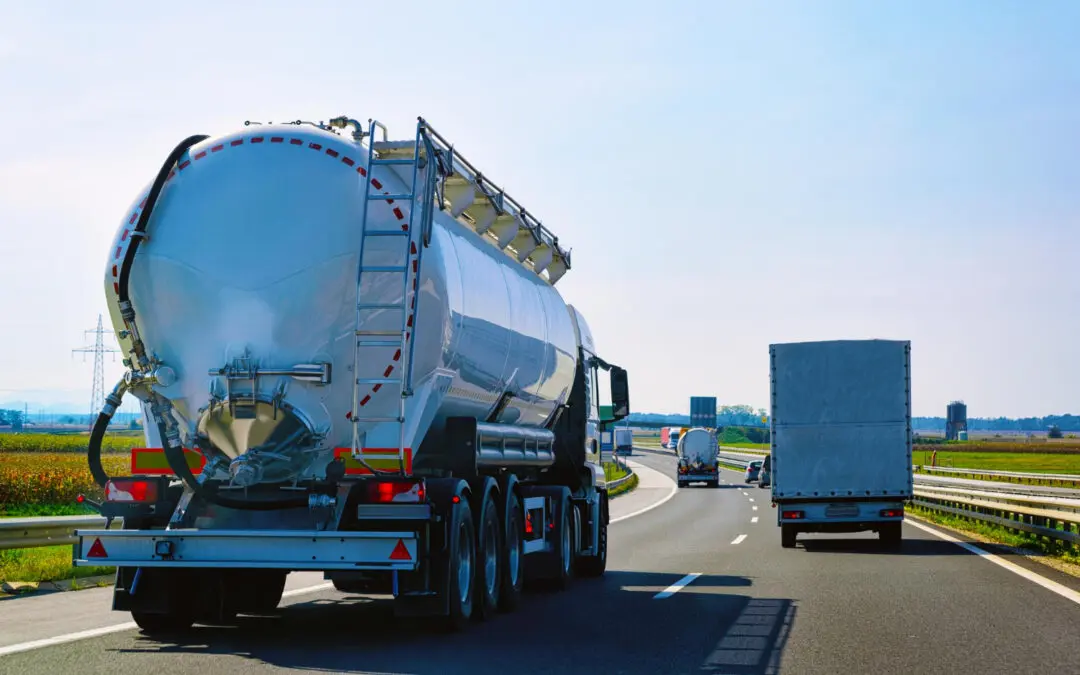
When winter hits, everything on the road changes. Roads get slick, snow piles up, and freezing air makes even simple jobs harder. Oil transportation services do not get to take a break when the weather turns. In fact, that is when the work gets even more important. Keeping trucks moving through snow and ice takes a lot more than just tough tires. It takes planning, experience, and smart timing.
Moving oil in winter is not just about driving from one point to another. It means staying alert through cold winds, tricky turns, and freezing equipment. We do it to make sure homes stay warm and energy keeps flowing. It is not always easy, but it is what the season calls for.
How Cold Weather Changes the Job
Winter shifts everything about how oil gets from place to place. Conditions that are manageable in other seasons become real obstacles when temperatures drop below freezing.
• Roads become slick from snow or ice, forcing trucks to slow down and take extra care
• Some highways shut down suddenly when storms sweep through, keeping equipment stopped for hours
• Valves, hoses, and other parts are more likely to freeze or break
• Loading and unloading takes more time when parts move slower in the cold
• Daylight hours shrink, so drivers often work in darkness where it is harder to spot ice patches or obstacles
These changes mean more than just delays. They raise the risk of accidents and equipment failure. We have to think ahead and work smarter to keep things running smoothly. No one wants a delivery to stop halfway through a route just because a hose is frozen or a road closed with no warning.
Planning Ahead for Safe Winter Routes
Good planning is not optional when we deal with winter. It is how we stay ready and avoid problems before they start. Each trip begins with a step-by-step look at how the weather might affect what is ahead.
• We check the weather for each stop along the way, watching for storms that could roll in
• If a route often shuts down during snow or ice, we prepare an alternate plan ahead of time
• We add extra time to all winter schedules, since driving slower is often the safer choice
This kind of planning keeps our deliveries moving and gives drivers more room to adjust. If we did not prepare for the slowdowns winter brings, we would be playing catch-up all season long. By thinking about the worst-case weather before we ever hit the road, we set ourselves up for success, even when things get tough.
Preparing Trucks and Gear for Freezing Conditions
Driving through winter is not just about watching the sky. It is about making sure every piece of gear on the truck is ready for the cold before the driver heads out.
• We switch over to winter-blend fuels and use additives that help keep fuel lines from freezing
• Heaters, brakes, and tires get a full check to make sure they are in top shape for slippery roads
• Windshield defrosters and wiper blades need to be strong enough to handle snow and ice buildup
• Hoses and tanks are inspected closely for signs that they may freeze up or crack in extreme cold
For us, these checks are part of the regular process during winter months. We do not wait for things to go wrong. It costs less time to do the work upfront than deal with a frozen pump or broken coupling on the road.
How Crews Stay Safe and Keep Deliveries Moving
Long hours behind the wheel can be hard in winter. When it is freezing, snowy, and dark by late afternoon, staying safe becomes the most important part of the job.
• Our dispatch teams stay in contact with drivers, giving updates if a storm gets worse or roads close unexpectedly
• We encourage extra rest during stops, especially when the cold wears drivers down faster than they expect
• We build space into the schedule to avoid pushing drivers to rush through jobs
Oil transportation services do not work on just machines and maps. They rely on people. We make it a point to go a little slower if that is what it takes to get home safe. Our crews know the winter brings new risks, and planning helps lighten that load a bit each day.
The Role of Experience in Keeping Operations Steady
Winter makes mistakes cost more than usual. Frozen parts slow everything, and one missed detail can stop a route in its tracks. That is where experience matters most.
• Drivers who have worked in cold weather understand what signals to look for when trouble starts
• We have learned how fast a sunny morning can turn into a snowstorm on an open stretch of highway
• Newer tools help, but steady habits and smart decisions still make the biggest difference
We do not try to guess during winter. Our teams follow steps that were shaped by hard seasons before. It is not about shortcuts. It is about doing things the right way even when the cold makes each task harder than it should be.
Keeping Fuel Flowing When It Matters Most
Winter does not leave much room for mistakes. It is the season when heat matters most and delays carry real consequences. That is why we put so much effort into every mile.
Explore Group provides crude oil transportation, sand processing, and full supply chain support for the energy industry, using truck, rail, barge, and pipeline networks to keep fuel flowing year-round. Our work helps keep homes, businesses, and critical services moving, even in challenging seasonal weather.
Each truck that makes it through the night, each stop that happens on time, is backed by careful planning, tested gear, and a team that knows how the season works. From loading point to final drop-off, that focus never changes.
When oil transportation services stay steady through winter, it means homes stay warm, machinery keeps working, and businesses can keep going without pause. That is why we do what we do, even when the cold pushes back.
At Explore Group, we know that keeping fuel moving through cold and unpredictable weather takes more than just durable equipment, it takes clear coordination and reliable support. Whether the job involves tricky terrain, tight timelines, or tough temperatures, we stay focused on getting materials where they need to be. Our crews and systems are built to handle the unique demands of seasonal work, especially in areas that count on steady winter access. To see how we manage every step of oil transportation services, email us today.