

When you’re tasked with moving goods from one place to another, the choices you make about how it gets there matter more than you might think. Freight transport isn’t just about loading products into a truck or onto a train. It’s about finding the right mix of time, cost, reliability, and fit for your specific cargo. The mode of transport you choose, whether it’s trucking, rail, or a mix of both, can affect everything from customer satisfaction to the bottom line.
That’s where the idea of modal choice comes into play. It’s the process of deciding which type or combination of transportation fits best for your freight needs. One option that stands out more today is intermodal freight shipping. It’s not a buzzword or a trend. It’s a practical solution for businesses trying to ship smarter and adapt to changing shipping conditions.
The Significance of Intermodal Freight Shipping
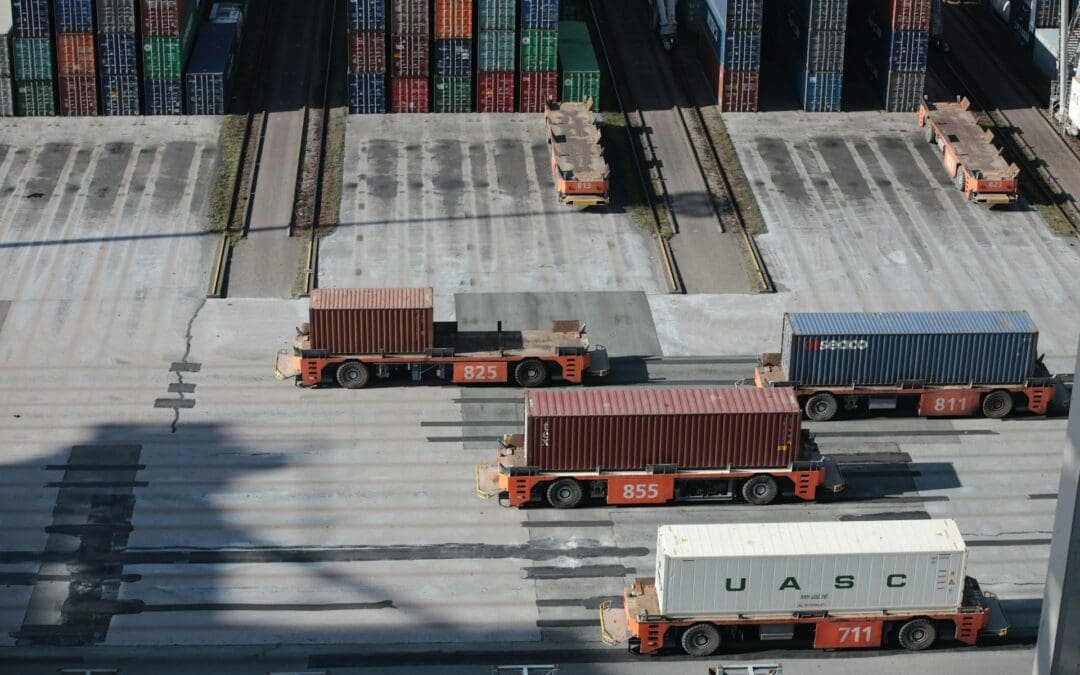
Intermodal freight shipping is a strategy that uses more than one method of transport, like combining trucks, trains, and ships, to move goods efficiently. What makes it stand out is that cargo stays in the same container the entire time. That means fewer delays because of unloading and reloading, and less risk of damage or loss during transfers.
This shipment method allows businesses to mix the speed of trucks with the low-cost, high-volume capabilities of rail. For example, you might load cargo into a container in a warehouse, use a truck to get it to the closest rail terminal, then continue the trip by rail to another terminal near the destination, and have another truck take it the rest of the way. It’s a flow that saves time and money over long distances, especially when the road network is congested or fuel prices climb.
Here are some benefits that come with intermodal freight shipping:
– Flexibility: It’s easier to adjust your route or plan B if an issue pops up on one mode of transport
– Cost control: Longer shipments by rail can cut down on fuel and labor expenses
– Reduced risk: Fewer touch points mean less chance of cargo getting lost or damaged
– Expanded reach: Intermodal gets your freight to places that might be expensive or tricky to reach using trucks alone
– Capacity planning: Helps better manage large shipments during seasonal changes or peak demand bursts
If your cargo doesn’t need immediate delivery and can handle a slightly longer route, intermodal shipping can be the right solution. It provides a balance between cost and speed, and with the right planning, becomes a very efficient part of the freight process.
Key Factors in Choosing a Freight Transportation Mode
Every business has different needs when it comes to shipping, which means there’s no right answer for everyone. The best way to figure out your ideal solution is by thinking through a few key factors that often affect how a shipment should move.
1. Cost Considerations
Cost is usually the first thing that comes to mind. Some modes of transport are cheaper upfront, like truck-only routes for local deliveries. But over longer distances, rail, and by extension intermodal, can bring better savings by moving more volume using less fuel and fewer people. It’s not just about who’s the cheapest, but which option provides the best value long-term.
2. Speed and Reliability
If your cargo has a tight deadline or is part of a just-in-time delivery system, speed matters. While trucks usually offer fast point-to-point delivery, weather, road conditions, and traffic delays can complicate things. Rail can avoid some of those issues and stays consistent with large volumes. When timing is flexible, intermodal can give a reliable option with fewer delivery surprises.
3. Cargo Type and Volume
What you’re shipping plays a big role in how it should travel. Delicate, high-value goods might need extra handling, while heavier, bulk products can go the distance without much worry. Trucking may work great for perishable items with short shelf lives, but larger or more durable freight often fits better with intermodal routes. Lighter freight in small batches may not benefit from intermodal as much, but larger regular volumes usually do.
By putting these points together, businesses can start to narrow down the options that fit their needs the best. The key is being honest about what’s most important, like price, timing, or cargo protection, and making sure the approach lines up with real goals.
Environmental Impact and Sustainability in Freight Transport
Making informed decisions about freight transport isn’t just about cost and speed. The environmental impact of these choices is a growing concern for businesses. Intermodal shipping offers longer-term benefits when it comes to sustainability. By combining different transportation modes, it helps cut down on greenhouse gas emissions. Using rail for the long haul parts of a trip, for instance, uses less fuel compared to trucks and reduces pollution.
The approach to sustainability in intermodal shipping isn’t just about lowering emissions. It includes practices like optimizing routes to avoid congested areas and using more fuel-efficient equipment and vehicles. Simplifying transfers also reduces the need for extra handling, which limits waste and preserves resources.
Here are a few strategies businesses might consider for minimizing their carbon footprint:
– Container optimization: Making sure loads are as full as possible to avoid wasted space
– Alternative fuels: Using cleaner fuel sources like biodiesel or electricity where possible
– Transport partnerships: Teaming up with logistics providers that have eco-friendly standards
These practices don’t only help the environment. They can also boost your brand image and build trust with customers and partners who care about sustainability.
Making the Right Choice for Your Business
Picking the right transportation strategy can feel puzzling. But by weighing your specific needs with the available options, the process gets clearer. Consider the products you’re moving, the speed you need, and the exact path the freight should take. When these elements align with your business goals, you find a logistics setup that doesn’t just work, it thrives.
Here’s a simple approach to making a sound decision:
1. Assess Needs: Determine what the shipment requires in terms of speed, safety, and volume. Are quick deliveries needed or can the schedule afford some flexibility?
2. Evaluate Options: Look at the potential modes and routes. Compare costs and timeframes. Which mode offers the right balance for your shipments?
3. Plan Ahead: Think about future growth and changes in demand. Make sure your chosen strategy is flexible enough for market shifts and business expansions
Partnering with experienced logistics providers can help refine this process. They offer insights and guidance that make selecting a transportation method easier and more aligned with long-term goals.
Enhancing Your Freight Strategy with Explore Group
Making the right modal choice doesn’t just streamline your shipping. It sharpens your overall logistics experience. A sound freight strategy helps you plan ahead, manage costs, meet customer expectations, and shift gears when the market changes. Intermodal shipping provides that kind of flexibility while keeping operations resilient and resource-smart.
At Explore Group, we help businesses see the full picture and select the best modal combination based on real-world goals and current operating conditions. When you work with a team that understands the growing importance of sustainable, efficient transport, your freight plans become adaptable—not rigid.
An optimized freight strategy starts with understanding what’s possible and then crafting a clear, easy path that works for your business.
Curious about how intermodal freight shipping can enhance your logistics operations? Let Explore Group guide you toward efficient, flexible solutions that align with your transportation goals and support long-term growth. Discover how the right freight approach can streamline your supply chain while supporting more sustainable practices.