

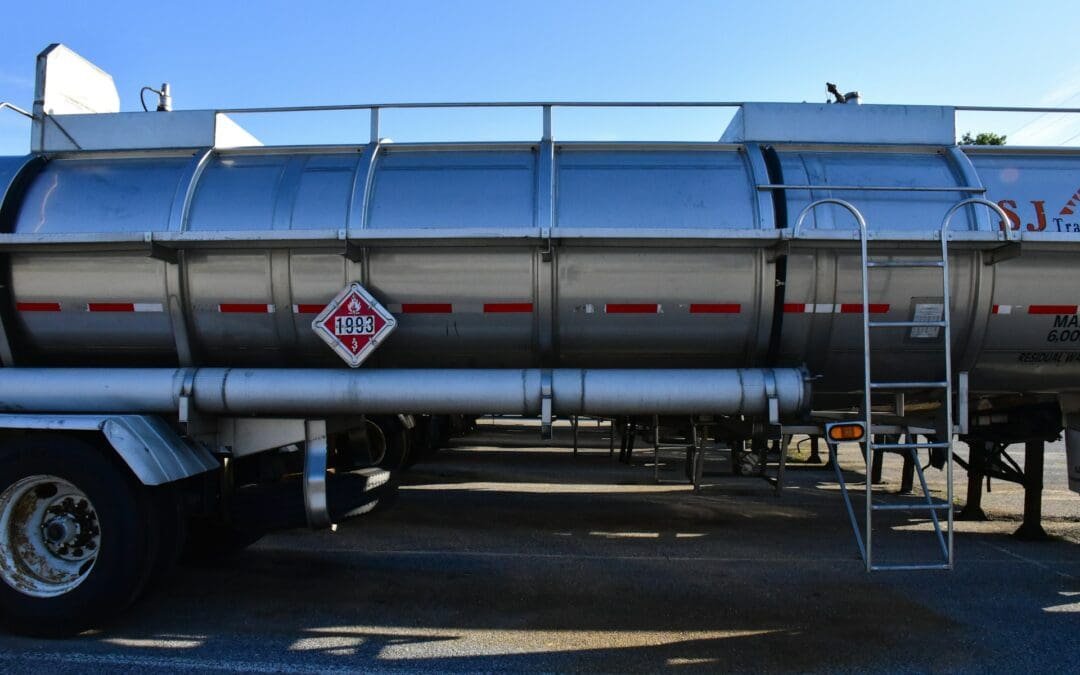
When the temperature drops, oil transport becomes a different kind of challenge. Icy roads, frozen equipment, and slippery conditions start to affect how quickly and safely freight can move from one point to another. Cold weather puts strain on drivers, vehicles, and loading stations, making it harder to keep things on schedule. For companies depending on timely deliveries, even a short delay can throw off production or supply chain timelines.
This is where reliable oil transportation services come into play. The colder the weather, the higher the chance for issues like equipment malfunctions or blocked access routes. But while winter brings its fair share of problems, there are proven ways to work around them. By taking the right precautions and understanding what to look out for, companies can reduce risks and keep their operations moving no matter the forecast.
Understanding Cold Weather Challenges In Oil Transport
Cold temperatures create a variety of problems for oil transportation. First, freezing conditions can turn oil thick and heavy, which affects how it flows through pipes and tanks. Equipment designed for warmer weather may not function right unless it’s adjusted or updated. That kind of slowdown can ripple across the supply chain, from collection all the way to delivery.
There’s also the issue of mechanical failure. Cold weather puts extra pressure on engines, brake lines, and hydraulics. Trucks may be harder to start, and breakdowns can be more frequent. Not only does this delay deliveries, but it also puts drivers at risk, especially when they’re far from support in snow-covered or isolated areas.
Road conditions are another big concern. Snow, ice, and limited visibility all make highway travel slower and more dangerous. Even experienced drivers may find it tougher to navigate narrow roads, sharp turns, or steep inclines under a layer of ice. One missed turn or delay can push back a delivery by hours, or even an entire day, depending on where the shipment is headed.
An example of these issues could be a driver leaving a depot with a full oil load, only to meet an unexpected snowstorm two hours in. The driver might need to pull over and wait, but freezing oil in the tanks could cause a pressure issue if it sits too long without circulation. Without preparation, like preheating the oil or using additives, this delay might damage the equipment or lead to more delays throughout the day.
Strategies To Mitigate Cold Weather Impact
While winter makes oil transport harder, a smart plan can reduce the risks and keep things moving. Focusing on preparation is key, especially in late fall and early winter before the first major cold snap hits. Some solid strategies include:
1. Conducting routine maintenance: Before the cold sets in, do full checks on transport trucks and storage tanks. Look at fluid levels, tire pressure, oil viscosity, and battery performance.
2. Using antifreeze blends: These chemical additives help keep oil and other fluids from thickening or freezing inside pipelines, containers, or engines. It keeps the flow consistent and reduces wear.
3. Relying on heated solutions: Heated hoses, warm storage containers, tank heaters, and engine block warmers help maintain oil temperature and avoid delays caused by freezing or sluggish flow.
4. Adjusting delivery routes: Some highways or rural access roads may be especially tricky once snow starts to pile up. Avoid them by basing updated routes on real-time weather and road condition data.
Planning for potential road closures or slowdowns makes a big difference. Building flexibility into delivery schedules, carrying extra fuel, and installing onboard heating systems are all good steps to help drivers stay safe, maintain temperatures, and reduce turnaround delays. Not every issue can be avoided, but these steps limit how much cold weather can interfere.
Safety Protocols for Winter Oil Transport
When winter hits, keeping everyone safe becomes a higher priority. Oil transport crews have to understand how conditions impact everything from traction to travel speed. Training drivers to handle winter scenarios is a must. That includes learning how to handle black ice, run-throughs on braking in snow, recognizing reduced visibility challenges, and understanding how to gear down on steeper terrain.
Winter safety training should also cover practical drills, such as how to control a skid and how to recognize early signs of mechanical issues. It goes beyond just driving skills. Drivers must know how to prepare their rigs, monitor gauges, and check load conditions in freezing temperatures.
Emergency preparedness is also a big part of working safely in winter. Each truck should be stocked with a full set of winter supplies. That can include warm clothing, gloves, a flashlight, non-perishable food, tire chains, traction mats, blankets, and a first aid kit. These kits should be inspected at the start of each winter season, and drivers should be taught how to use them efficiently.
Real-time communication is just as important. Drivers should never be out of contact. Having a dispatcher monitor location and weather conditions ensures that help can be directed where it’s needed. Fleet-wide monitoring systems can also detect delays early and alert others in the chain when things may be pushed back.
Leveraging Advanced Technologies
The tech side of oil transportation can be a lifeline in winter. Real-time GPS helps drivers steer around closures, city congestion, or steep areas that may have iced over. Route suggestions powered by real-time updates are far more reliable than guessing based on normal schedules. This allows companies to adjust paths quickly and reduce downtime.
Weather forecasting systems add another layer of control. Predictive tools can give updates on wind speed, incoming fronts, freezing rain, or snowfall expected along the route. That insight helps dispatchers change course, reschedule, or reroute without scrambling at the last minute. Notifications can also be automated to alert drivers of sudden temperature drops or ice-risk zones.
Sensors built into the trucks and tanks can track internal oil temperatures so drivers know when action is needed. These technologies let crews respond before oil begins to thicken or cooling causes any flow interruption.
Operations teams also benefit. Tech dashboards give supervisors tools to monitor fleet performance, track delivery times, and visualize where pressure points might appear in the network due to weather-related delays.
Keeping Operations Smooth in Winter
Effective planning and steady focus can make a big difference keeping your schedule on track during winter oil transport runs. Companies that prepare through maintenance checks, safety training, route planning, and winter-ready gear tend to face fewer serious interruptions. When those steps are paired with smart tech like forecasting tools and GPS tracking, deliveries stay more reliable even when the weather turns rough.
Cold conditions are going to create obstacles. That’s unavoidable. But how you respond to them determines how successful your winter operations are. Taking a proactive approach helps drivers stay safe, cargo stay on schedule, and customers stay happy. By following these strategies, it’s possible to handle winter’s worst with more confidence and fewer setbacks.
For companies preparing to face harsh winter conditions, staying ahead with the right tools and knowledge matters. Explore Group offers dependable support to keep your operations moving when the temperature drops. Learn how our oil transportation services can help you maintain stability and safety across your supply chain throughout the colder months.