

Winter can be unpredictable, especially when you’re managing a fleet of trucks that need to stay on the road. Cold weather adds wear and tear to both vehicles and drivers, making it even more important to prepare each truck for whatever the season throws your way. From freezing temperatures to icy roads, winter conditions can easily lead to delays, breakdowns, or worse if the right maintenance isn’t done ahead of time.
That’s why having a solid winter fleet maintenance plan matters. It helps minimize downtime, reduces safety risks, and keeps your operation steady throughout the season. When good truck logistics management is backed by winter-specific planning, your drivers stay protected, your vehicles last longer, and your customers continue to get what they need without hassle.
Preparing Your Fleet for Winter
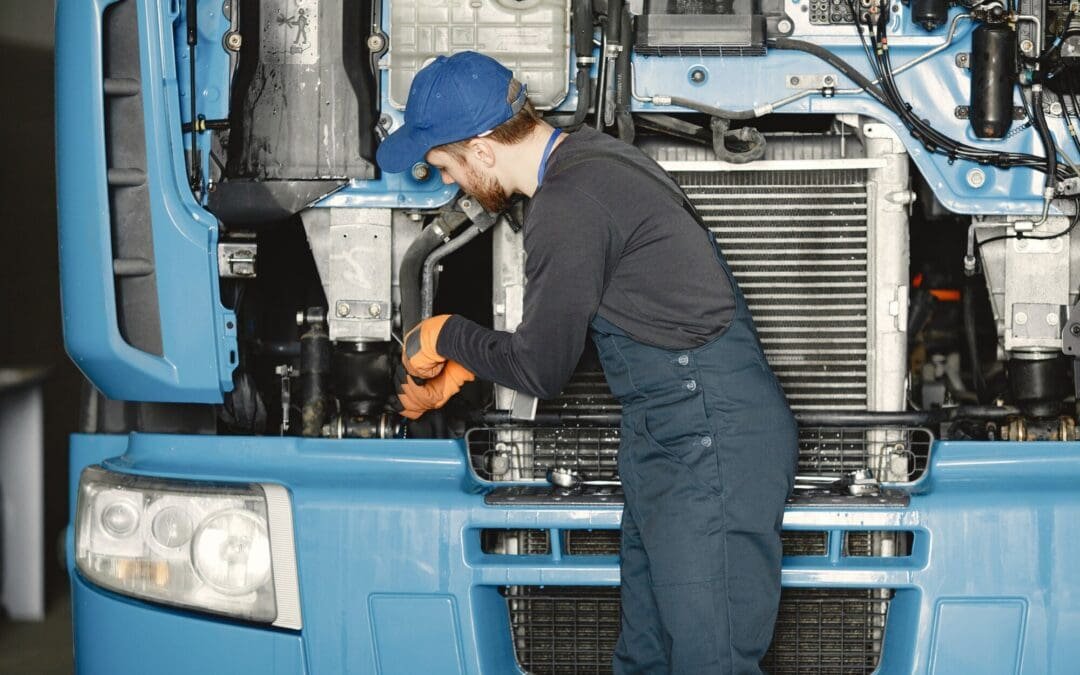
Cold weather impacts everything from start-up times to braking response. That’s why a full inspection before winter truly hits isn’t something that should be skipped. It’s how you catch potential issues early and build confidence that each truck is ready from the first snowflake to the last thaw.
Use a checklist to make things easier. Focus on key components that are affected most by low temperatures and icy roads. Getting ahead of small problems now will help avoid costly repairs and downtime later.
Here are the top areas to inspect before winter begins:
1. Tires: Look for worn tread, uneven wear, or damage. Swap out older tires for ones rated for winter conditions.
2. Brakes: Test response time and replace pads or fluids if needed.
3. Fluids: Check oil, antifreeze, windshield washer fluid, and transmission fluid. Use blends rated for winter performance.
4. Battery: Weak batteries are the first to fail in winter. Test charge levels and secure connections.
5. Lights and Wipers: Replace dim bulbs and check wiper blades to ensure visibility in snowy or slushy conditions.
Every truck should go through this checklist before regular winter routes begin. Keep records of each inspection to stay organized and track maintenance history for future seasons.
Implementing Winter-Specific Maintenance Practices
Once your fleet is inspected and cleared, the focus shifts to what needs to be maintained throughout the colder months. Cold, moisture, and road salt can all take a toll on trucks over time, so the work doesn’t stop after one round of checks.
Start by making sure your fluids are ready for lower temperatures. Lighter oils, winter-rated coolant, and de-icing windshield washer fluid can make a big difference in performance and durability during colder conditions.
Tire pressure is another thing to monitor regularly. It can drop quickly in cold weather, which hurts traction and fuel efficiency. Use winter tires for better grip on icy roads and build weekly pressure checks into your maintenance routine.
Heating systems are key for both drivers and engine health. Check cab heaters for comfort and test engine block heaters to make starts easier and reduce stress on the engine. Don’t forget defrosters, as a clear windshield is important for winter driving.
Even if your trucks went through a thorough check at the start of the season, things still wear down and break during winter. Set up a schedule for regular updates and preventative tasks to avoid surprises mid-route. Staying consistent with winter upkeep keeps your trucks reliable and your routes on track.
Driver Preparedness and Training
Having well-maintained trucks isn’t enough. Your drivers need to be just as ready for winter as the vehicles they operate. Driver behavior impacts safety just as much as equipment condition.
One way to boost safety is through regular training focused on winter driving. Refresh your team on defensive driving habits like slower speeds, safe following distances, and smooth braking to prevent skidding. These reminders before or during winter help reinforce careful habits and raise awareness on dangerous roadways.
Emergency kits are another step that shouldn’t be overlooked. Each truck should have a kit with blankets, flashlights, snacks, water, first-aid supplies, and extra warm clothing. In case road conditions trap drivers or slow assistance, these supplies can be very helpful.
Most importantly, create open communication between your drivers and management. Let them report vehicle issues, road trouble, or anything unusual. Keeping that feedback loop open helps catch problems before they get worse.
Real insight comes from those behind the wheel. Encouraging them to share conditions and concerns gives dispatchers more information to make smart route choices or adjust plans if weather worsens.
Leveraging Technology for Winter Fleet Management
Technology plays a big role in supporting your maintenance and safety plans during winter. Using the right systems can boost visibility, speed up issue resolution, and improve decision-making from dispatch to driver.
GPS and telematics are great tools for tracking your vehicles in real time. From performance data to driver location, you’ll always know where your assets are and how they’re doing. This is important when storms move in fast or when a driver might take longer than expected to complete a route.
Automated maintenance alerts are also useful. These systems monitor each truck and notify your team when service is needed. That way, nothing gets missed or forgotten between intervals. A small alert can often help prevent a bigger repair down the line.
Weather monitoring apps are another helpful tool. They let dispatchers and drivers see changing conditions and plan routes accordingly. Knowing when a road might close or when snow is coming can help reroute deliveries and keep deliveries on schedule while reducing unsafe driving situations.
Tech does more than give you extra insight. It helps your whole operation run smoother, from monitoring how trucks handle the cold to preparing drivers for what’s ahead.
Keep Your Fleet Rolling Safely This Winter
Winter brings its own set of challenges, but smart planning can go a long way in keeping your trucks moving. From regular inspections to continuous monitoring and training, it’s all about building a system that stays ahead of the cold season instead of trying to catch up.
Doing the work upfront lets you avoid costly repairs, frustrated drivers, and delivery setbacks later. And when truck logistics management plans take winter into account, everything from safety to performance improves.
Whether it’s swapping fluids early or updating your tech tools, simple changes can make a big difference. A winter-ready fleet means fewer surprises and more confidence as the season rolls through. Keep your wheels turning with the right preparation.
If you’re looking to keep your fleet running smoothly through the colder months, Explore Group can help you stay prepared. Our team supports businesses with truck logistics management strategies that are built for winter efficiency and reliability. Let us help you protect your drivers, preserve your equipment, and keep every delivery on schedule.