

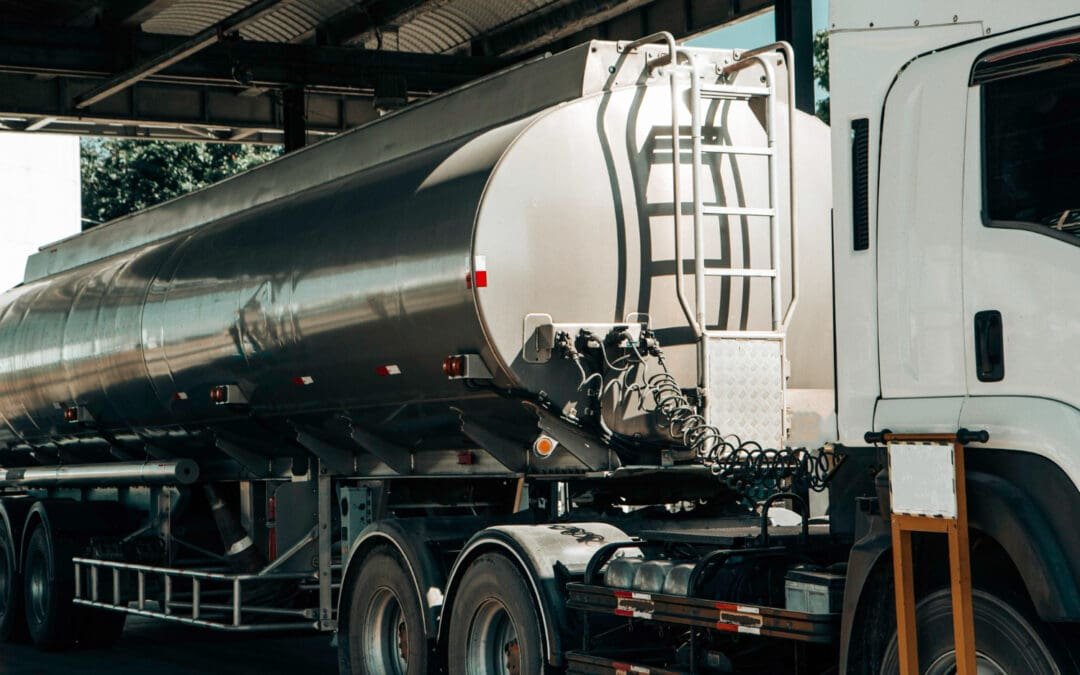
Winter isn’t the easiest season for getting crude oil from one place to another. Icy roads, cold equipment, and short daylight hours can really get in the way. When it comes to crude transportation, cold weather doesn’t just make driving harder, it slows down just about every part of the job.
Even a small delay can ripple through the whole delivery chain. If one truck gets stuck or a piece of gear freezes, the schedule can fall behind fast. And with winter weather known for its surprises, it’s no wonder that delays show up more often from December through February.
We put together this look at what tends to break down or freeze up when the cold really hits. Understanding where problems begin is the first step to keeping crude moving, safely and efficiently, during these tougher months.
Where Cold Temperatures Freeze Up the Flow
When temperatures dip below freezing, equipment doesn’t always work the way it’s supposed to. We’ve seen it plenty of times, valves stiffen, hoses get brittle, and lines that usually flow just don’t.
• When valves or hoses freeze, they can slow or stop offloading and loading completely
• Trucks need winter-grade fuel, and sometimes heaters, to keep running in cold areas
• Equipment sitting out in freezing wind may need to warm up before it can function at full speed
That thawing period eats up time, even when teams are ready to move. If just one piece of gear is out of commission because of ice or frost, the whole delivery can get pushed back. Planning for these conditions helps, but even the most prepared operators still run into hold-ups when a strong cold front rolls in.
Cold snaps are especially tough because equipment doesn’t always get a chance to warm up between jobs. Teams often have to switch out parts, fix frozen lines, or spend extra time getting trucks ready in the yard. It’s a constant race to stay just ahead of what the weather might do.
Icy Roads and Traffic Make Delivery Times Unpredictable
Even the best equipment won’t help much if the roads are a sheet of ice. What looks like a short trip on paper might take twice as long when winter weather shows up. Slippery highways, poor visibility, and crashes are all real problems during cold snaps.
• Black ice is hard to see, and it makes slowing down and steering harder than usual
• Snowstorms can cause multi-hour delays or forced stops when visibility drops
• Accidents and stuck vehicles block roads, sometimes for miles
• State or local crews may close certain routes completely in dangerous conditions
As routes change or slow down, drivers may need to take longer ways around. Detours aren’t just longer, they can lead to more miles on rough or narrow back roads, which brings its own risks. All of this adds time and uncertainty to hauls that typically rely on straightforward timing.
Winter months also mean that the sun sets earlier, making some roads treacherous after dark. Navigating icy or snow-packed roads in the evening can double the stress and the possibility for error. Drivers have to be constantly alert for changing conditions along their entire route. Sometimes, even after getting the “all clear” from dispatch, a sudden squall can hit, dropping visibility and making it much harder to keep the schedule tight.
Worker Safety Slows the Process, but It Has To
We all want the job done fast, but staying safe has to come first. Winter weather adds more steps to just about every task. Whether it’s loading, unloading, or doing routine checks, colder weather just takes more time to get through.
• Drivers often reduce speed to avoid skidding or jackknifing
• Crew working outside in low windchill can’t stay out as long, and usually move a little slower
• Safety gear like thick gloves, boots, or face covers can make routine tasks take more time
It’s not that anyone’s dragging their feet. Cold air just slows the body down. Gear like chains on tires or heated cab gear helps, but it still doesn’t make up for how draining it can be to work in frigid weather. Prioritizing safety means deliveries might stretch longer than usual, and that’s the right call under major winter conditions.
Sometimes, keeping crews safe means scheduling more breaks into the day for meals and warming up. Drivers may even rotate more often to avoid fatigue, especially on unfamiliar or especially icy routes. These breaks are important for keeping people sharp and ready, but every extra stop puts a small dent in timing. In the bigger picture, it’s always worth it, because safety keeps everyone on the road able to return for the next delivery.
Weather Changes Fast and Wreaks Havoc on Schedules
One of the hardest things about winter is how quickly things can shift. We’ve had trucks leave under clear skies, only to hit whiteout conditions two hours later. This kind of rapid change isn’t rare, it’s something we deal with regularly from mid-December all the way into March.
• Forecasts can show a clear window, but snow or freezing rain can roll in without much warning
• Traveling across states brings mixed conditions, dry in one region, stormy in another
• When one part of the delivery chain hits weather, everything after it goes off-track
This kind of unpredictability creates a domino effect. Once a route hits a problem, the next steps get bumped out of place. Crew on the receiving end may not be ready when the load shows up late. Another truck waiting to load can miss its window entirely. It keeps piling on. That’s why making delivery plans flexible, not rigid, matters so much in winter.
Even scheduling regular forecasts and using up-to-date weather alerts, there’s no way to control all the variables. Teams stay in constant contact with dispatch and other drivers on the road, using every clue they can to avoid or work around sudden changes. This focus on strong communication can make a huge difference, and it’s something that only experience brings.
Backup Equipment and Extra Time Build in Winter Protection
Waiting until something breaks is the wrong move when it’s freezing out. This time of year, we don’t just prep, we overprep. That means adding buffers around deliveries and having extra tools ready just in case.
• Extra trucks or trailers can pick up the slack when a route or piece of gear gets hung up
• Adding buffer time in between steps means one snag won’t ruin the next one
• Keeping extra parts, fuel, or tools on hand means fewer surprises
Winter conditions don’t leave much wiggle room. So we make the room ourselves where we can. Our schedules in colder months are built with delays in mind, not as a maybe, but as a “when.” By expecting things to slow down, we’re better able to keep the bigger picture on track.
Having backup equipment means not relying on just one plan. For example, teams may keep extra hoses and emergency repair kits in every truck and make sure spare tanks or pumps are close by. Even if just one breakdown happens, the rest of the shipments don’t have to grind to a halt. This preparation can be the key to keeping deliveries steady, especially when weather throws an unexpected challenge.
Staying Ahead of Winter Holds Everything Together
When winter settles in, crude transportation becomes a test of patience, planning, and safety. Cold slows machines, roads become risky, and people need more protection to keep doing tough work in tough places.
Explore Group supports energy sector clients with reliable crude transportation that spans truck, rail, barge, and pipeline, all crafted for the demands of winter logistics. Our services also cover sand processing and full-scope supply chain support, which help keep energy projects moving even when weather gets rough.
We’ve found that staying a few steps ahead is what makes the most difference. That means knowing how fast winter can shift gears, planning backups into every big move, and never cutting corners where safety is concerned. Even when weather throws a curveball, smart choices made early can help keep deliveries running steady, even in the deep freeze.
At Explore Group, we understand how unpredictable winter can be for those transporting energy materials, making it a challenge to keep everything moving safely and on schedule. Our team is committed to managing fleet schedules, equipment reliability, and driver safety through every cold snap. By monitoring each aspect of crude transportation, we make our services flexible and responsive when conditions change. If winter logistics have disrupted your plans, reach out to us today to see how we can help keep your operation running smoothly.